Ground Made Ready Before Construction Starts
Site Prep in Millville for residential and commercial parcels requiring grading, compaction, drainage setup, and foundation-ready surfaces
Shore community development in Cumberland County involves a specific set of site conditions—variable soil composition, drainage requirements tied to proximity to low-lying areas, and municipal grading standards that apply before any foundation work can begin. JMJ Contracting prepares residential and commercial sites in Millville and the surrounding region to meet those conditions, working through a sequenced workflow that takes a cleared parcel through grading, compaction, drainage setup, and foundation base preparation as an integrated process rather than a series of separate contractors. That integration is what eliminates the gaps that typically cause delays between clearing and construction-ready ground.
Grading is not simply moving dirt to a flat surface—it involves establishing finished grades that direct water away from the building footprint while meeting the elevations required by the foundation plan and any applicable municipal drainage standards. JMJ Contracting grades per municipal requirements and then runs compaction to confirm the surface can bear equipment and structural loads without settling. Drainage setup follows grade work so water movement is built into the site before topsoil or base material goes down, not corrected afterward. For acre-scale site prep within a larger project, the typical timeline runs two to three days—consistent with the clearing phase it follows when both are part of the same job.
Request a project consultation to review the parcel layout, municipal grading requirements, and how site prep integrates with any clearing or construction already scheduled.
Site prep done in a fixed sequence—clearing, then grading, then topsoil delivery, then construction-ready surface—produces a different outcome than work that jumps between phases or layers new material over unprepared ground. Each step creates the conditions the next step requires: clearing exposes the soil, grading establishes drainage and elevation, compaction confirms structural capacity, and topsoil distribution brings the surface to finished grade. JMJ Contracting runs this sequence within the same project scope, which means equipment is on-site continuously rather than demobilizing and remobilizing between phases.
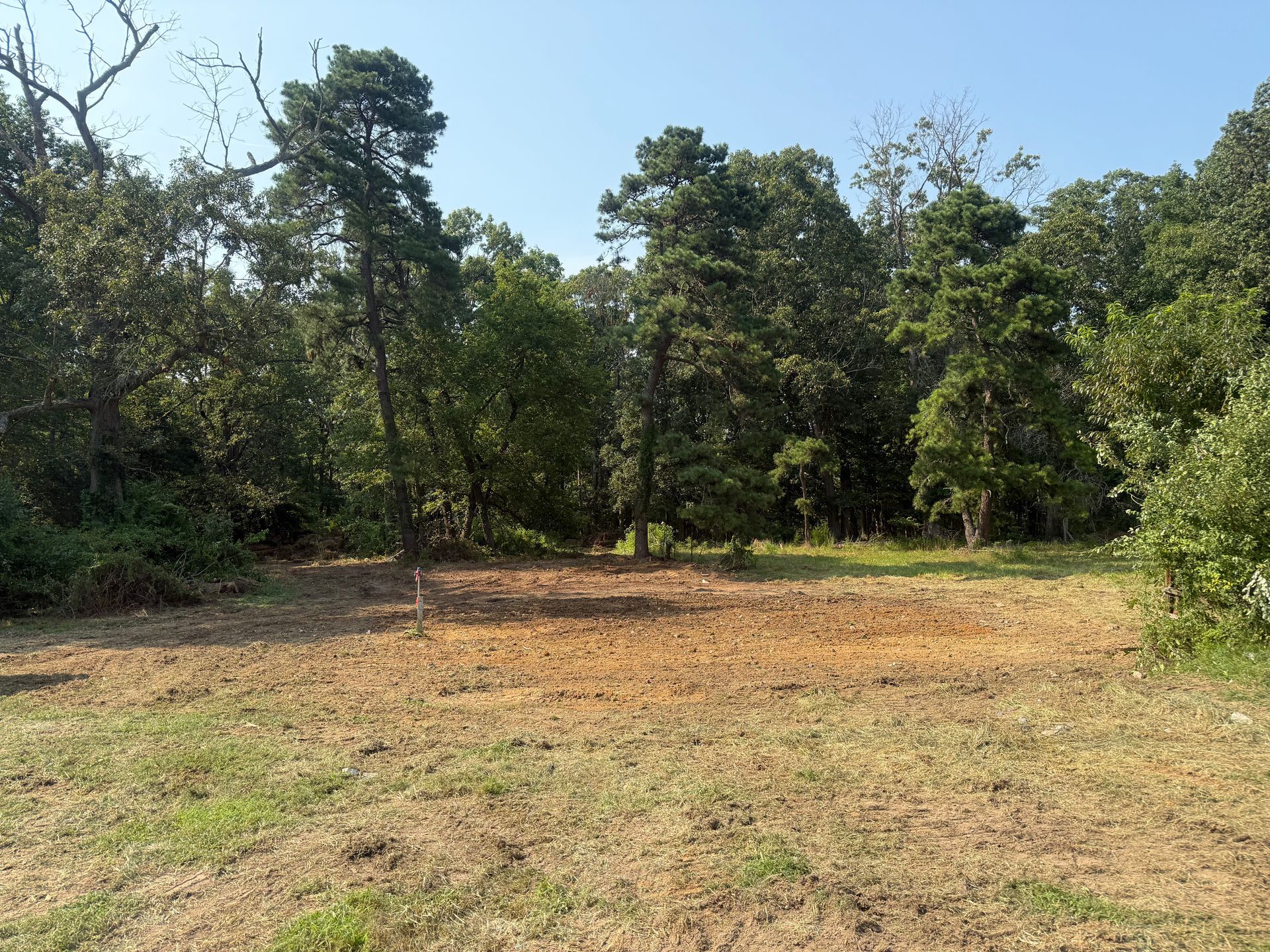
After site prep is complete, you'll see a graded, compacted surface with positive drainage slopes away from the building area, a confirmed foundation base, and topsoil distributed to finished grade where required. What's no longer present is the uneven terrain, standing water zones, and soft spots that characterize unprepared ground—the site is in a condition a foundation crew can mobilize to immediately.
Site prep scope varies based on what the parcel already has in place. Lots coming directly from clearing start with raw soil and require full grading sequencing, while partially developed parcels may need regrading around an existing footprint or drainage correction on a site where previous work created water management problems. Both scenarios are assessed during the initial site review before timelines or costs are confirmed.
Questions Before Starting Your Project
Property owners and developers planning site prep in Millville typically have questions about what the process covers, how it connects to other phases, and what standards apply. These answers address the most common points of clarification.
What does site preparation actually include?
Site prep covers grading to establish finished elevations and drainage slopes, compaction to confirm load-bearing capacity, drainage setup, and foundation base preparation—JMJ Contracting also integrates topsoil delivery as the final surface step within the same workflow.
How does grading affect drainage on a shore-area property?
Positive drainage slopes must direct surface water away from foundation areas and toward established flow paths—in low-lying shore community parcels, this step is particularly consequential because flat or improperly graded surfaces hold water against foundation walls and cause long-term structural issues.
Why does compaction matter before a foundation is poured?
Uncompacted soil settles under load, which causes foundation movement and cracking—compaction testing confirms the ground can bear structural weight before the foundation crew arrives, preventing corrections after construction has already begun.
How long does site prep take for a typical residential lot in Millville?
Acre-scale site prep runs approximately two to three days when integrated with clearing, with timelines communicated upfront based on actual parcel conditions rather than adjusted after mobilization.
What happens if the parcel has drainage problems before site prep begins?
Existing drainage issues are identified during the site review and factored into the grading plan—addressing them during prep is significantly less costly than correcting drainage after a foundation or driveway is already in place.
JMJ Contracting approaches site prep as the connective phase between raw land and construction-ready ground—a step that determines how well every phase after it performs. To scope your specific parcel in Cumberland County, set up a site visit and walk the ground with the crew before any work is scheduled.