
Abandoned Pools Removed, Sites Returned to Use
Pool demolition in Millville for aging in-ground pools that limit land use, development potential, or property sale timelines
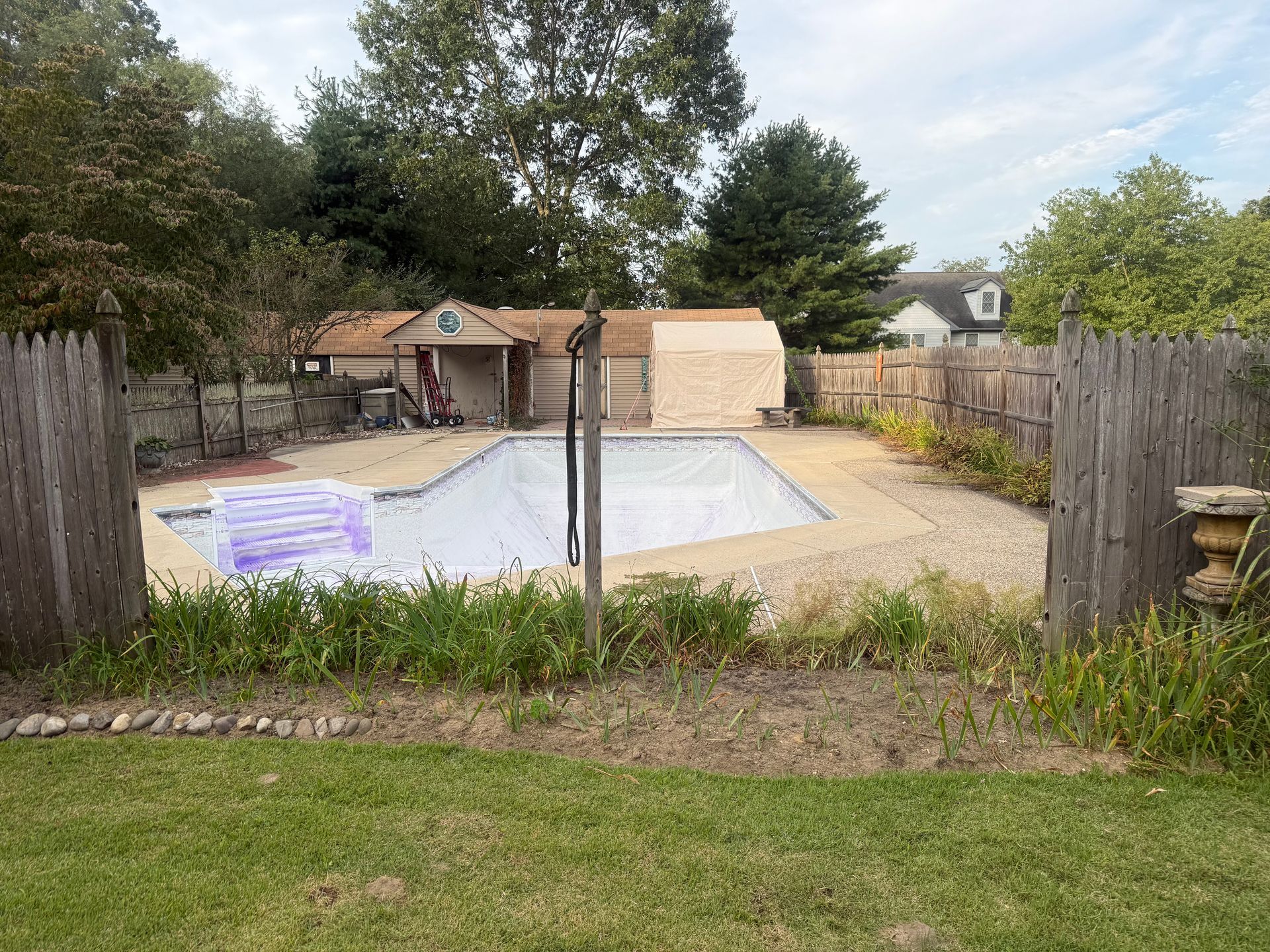
An unused in-ground pool left sitting on a residential property isn't a neutral feature—it occupies buildable area, creates liability exposure, and often requires disclosure during property transactions. Shore-area communities around Millville have a significant number of older residential properties with in-ground pools installed decades ago, many of which have been abandoned rather than maintained. JMJ Contracting removes those structures completely, hauling debris off-site and backfilling the excavation to return the ground to a stable, usable condition. The work is permitted through the appropriate local channels, and that permitting is managed in-house rather than passed to the property owner to navigate.
Pool demolition at the residential scale involves structural concrete breakup, debris removal, and carefully staged backfilling to prevent future settlement. The sequence matters—backfill that isn't placed and compacted in controlled lifts will settle unevenly over time, leaving a visible depression in the yard even years after the work is finished. Pools that extend deep into the ground require particular attention to how the void is filled, since compressed soil at that depth behaves differently than near-surface material. JMJ Contracting's integrated approach connects pool removal to the same equipment and grading workflow used across land clearing and site prep projects.
Schedule a site visit to assess the pool structure, confirm permit requirements for your parcel, and establish a realistic project scope.
Concrete pool shells are typically broken into manageable sections using specialized hydraulic equipment before debris is loaded and hauled. The breaking process must account for the pool's depth, wall thickness, and proximity to structures or utilities before work begins—these factors affect equipment selection and the order of operations during demolition. Partial removal, in which the pool bottom is punched for drainage and the structure is buried in place, is a different scope than full removal and carries different long-term implications for what can be built on the site afterward.
After full removal and backfill, the area where the pool stood becomes part of the general yard grade—mowable, buildable, and no longer a maintenance liability. You'll notice the ground in that area compacted flush with the surrounding yard rather than showing the depression or cracking that characterizes an abandoned pool left in place. JMJ Contracting grades the backfilled area to match existing drainage patterns so water movement across the lot isn't disrupted.
Property owners in Cumberland County should be aware that pool demolition typically requires a local permit, and some municipalities have specific requirements around how excavations must be backfilled and inspected before the permit is closed—these requirements are confirmed before work begins, not discovered mid-project.
Answers to Frequent Pool Demolition Questions
These questions reflect what property owners typically want to clarify before moving forward with pool removal in Millville and surrounding Cumberland County communities.
What does the demolition process actually involve?
The pool shell is broken apart using hydraulic equipment, debris is loaded and removed from the site, and the excavation is backfilled in compacted lifts to prevent long-term settlement in the disturbed area.
Why does permit management matter for this type of project?
In Millville and throughout Cumberland County, pool demolition requires a permit that includes inspection at the backfill stage—projects completed without proper permitting can create title complications when the property is later sold.
How is the backfilled area different from full removal versus partial removal?
Full removal clears the entire concrete structure and fills the void with compacted material, leaving the site buildable; partial removal buries the lower structure in place, which limits future construction options on that portion of the lot.
What happens to the ground surface after the pool is removed?
The backfilled zone is graded to match surrounding yard elevation and drainage slope, so the finished area blends into the existing landscape rather than showing as a raised or sunken patch.
When do property owners typically schedule pool demolition?
Removal is most commonly scheduled before a property sale, ahead of a redevelopment or addition project, or when an aging pool has deteriorated to the point where restoration costs exceed the structure's utility.
JMJ Contracting manages pool demolition from initial permit application through final grading, coordinating each phase so the project closes cleanly without leaving the property owner to track multiple contractors or inspection milestones. Contact JMJ Contracting directly to discuss your pool's condition and what full removal will involve on your specific site.